.png?width=90&name=Jo%20Circle%20(Transparent).png)
With energy costs still a major consideration for households across the UK, more homebuyers are looking beyond the purchase price and thinking carefully about how much their home will cost to run.
For first-time buyers, growing families and those looking to downsize, an energy-efficient home can make day-to-day living feel more manageable. Lower heating costs, improved insulation, modern heating systems and future-ready features such as solar panels, EV chargers and air source heat pumps can all make a real difference.
That is one of the biggest advantages of buying a new-build home. Built to modern standards and designed with efficiency in mind from day one, new homes can offer lower energy bills, greater comfort and a more sustainable way to live.
Why Energy-Efficiency Matters More Than Ever
A home should feel comfortable, affordable and easy to look after. But in many older properties, poor insulation, draughty windows and outdated heating systems can mean more heat is lost, more energy is used and monthly bills are harder to control.
Choosing an energy-efficient new-build home can help reduce that pressure. According to the latest Home Builders Federation (HBF) and Octopus Energy Watt a Save report, an average A or B-rated home costs around £1,574 a year to run, compared with around £1,995 for a D-rated home and £2,192 for an F or G-rated home. That means a saving of around £421 a year compared with a D-rated property, or £618 a year compared with the least efficient homes.
For homeowners, that can mean more than simply saving money. It can mean a warmer home in winter, less wasted energy and greater confidence when planning household budgets.
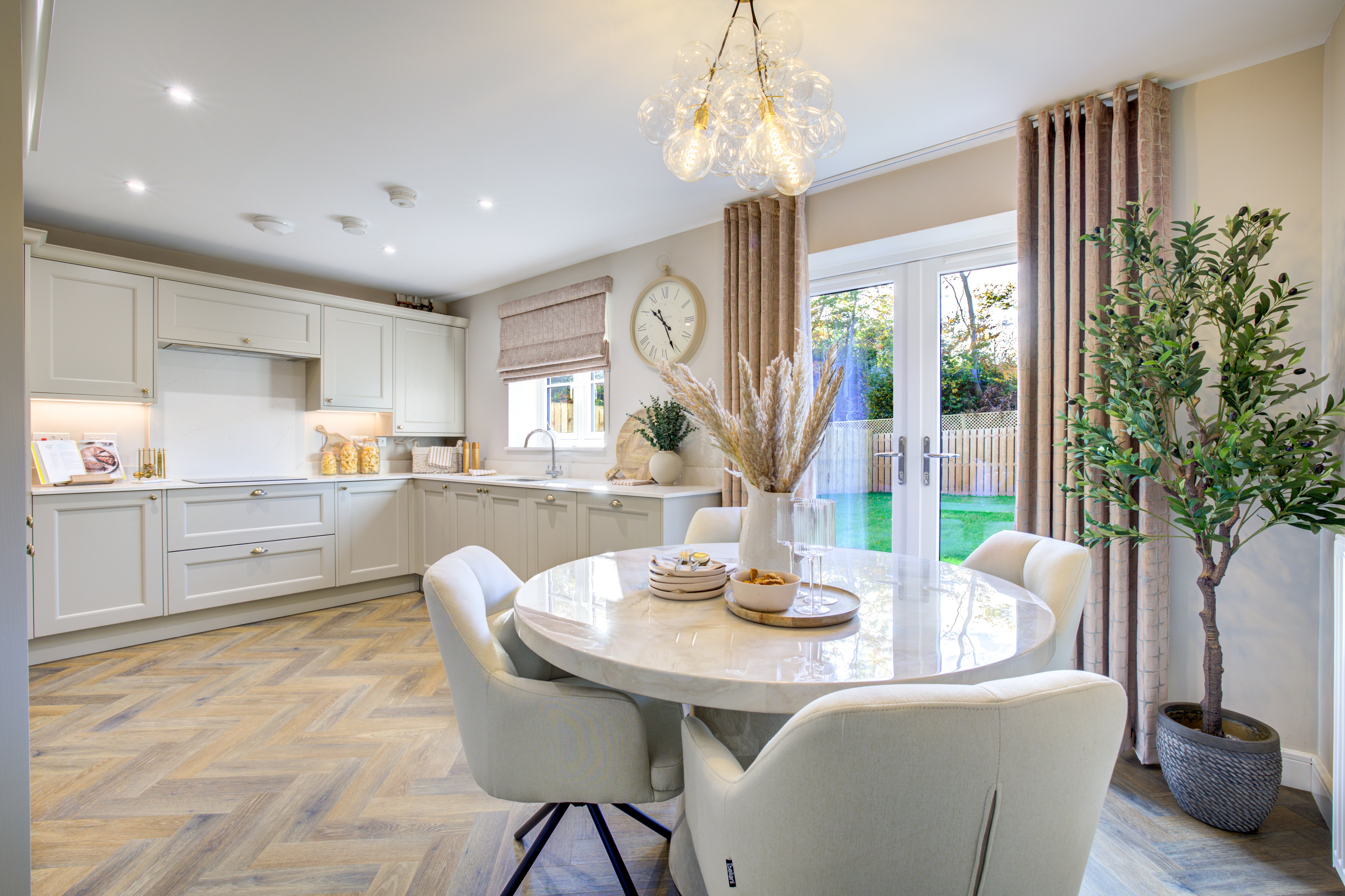 The Kitchen/Diner In The Richmond Showhome At Woodberry Park In Staindrop
How Energy-Efficient Are New-Build Homes?
New-build homes are specifically designed around these modern lifestyle needs. New-build homes are designed and constructed to meet far higher energy-efficiency standards than many older properties. Instead of relying on costly upgrades later, energy-saving features are built into the home from the beginning.
This can include high-quality insulation, double or triple glazing, efficient heating systems, improved ventilation and a carefully designed structure that helps keep warmth inside the home. Many modern developments also include features such as solar panels, EV charging points, smart heating controls and air source heat pumps, helping homeowners reduce reliance on traditional energy sources.
The difference is clear in the data. The HBF report found that 87% of new-build properties were rated EPC A or B, compared with only 5% of existing homes.
What Is An EPC Rating & What Does It Mean For Buyers?
An Energy Performance Certificate, or EPC, rates a property from A to G, with A being the most efficient. It gives buyers an indication of how much energy a home is likely to use and how expensive it may be to heat, light and power.
For homebuyers, this is a useful way to compare properties. A home with a higher EPC rating should usually be cheaper to run and more comfortable to live in, because it uses energy more efficiently.
Many older homes can be improved, but upgrades such as replacing windows, improving insulation, fitting solar panels or installing an air source heat pump can be expensive and disruptive. With a new-build home, many of these benefits are already considered as part of the design, helping homeowners move into a property that is ready for modern living.
New-Build Homes vs. Older Properties
Older homes often have character and charm, but they can also come with hidden running costs. Single glazing, poor insulation, older boilers and draughts can all make a property more expensive to heat.
A new-build home is designed to work harder for the people living in it. Better insulation helps keep warmth in. Modern windows and doors help reduce heat loss. Efficient heating systems use less energy. Solar panels can help generate renewable electricity. EV chargers make it easier to charge an electric vehicle from home. Air source heat pumps can provide heating and hot water without relying on a traditional gas boiler.
The HBF and Octopus Energy research also found that an average 90m² A or B-rated home uses around 11,599 kWh of gas and electricity per year. By comparison, a D-rated home uses around 16,896 kWh, while an F or G-rated home uses around 19,540 kWh.
For buyers, that means a new-build home can offer a more efficient and predictable way to live, without the same level of maintenance or improvement work often associated with older properties.
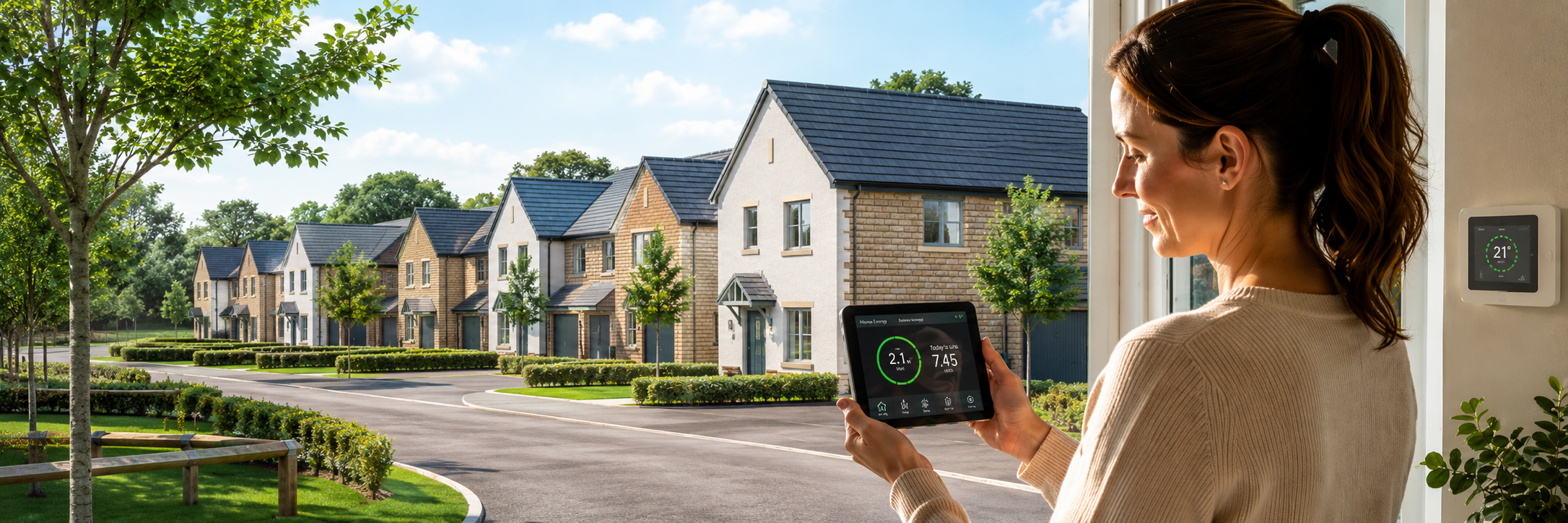
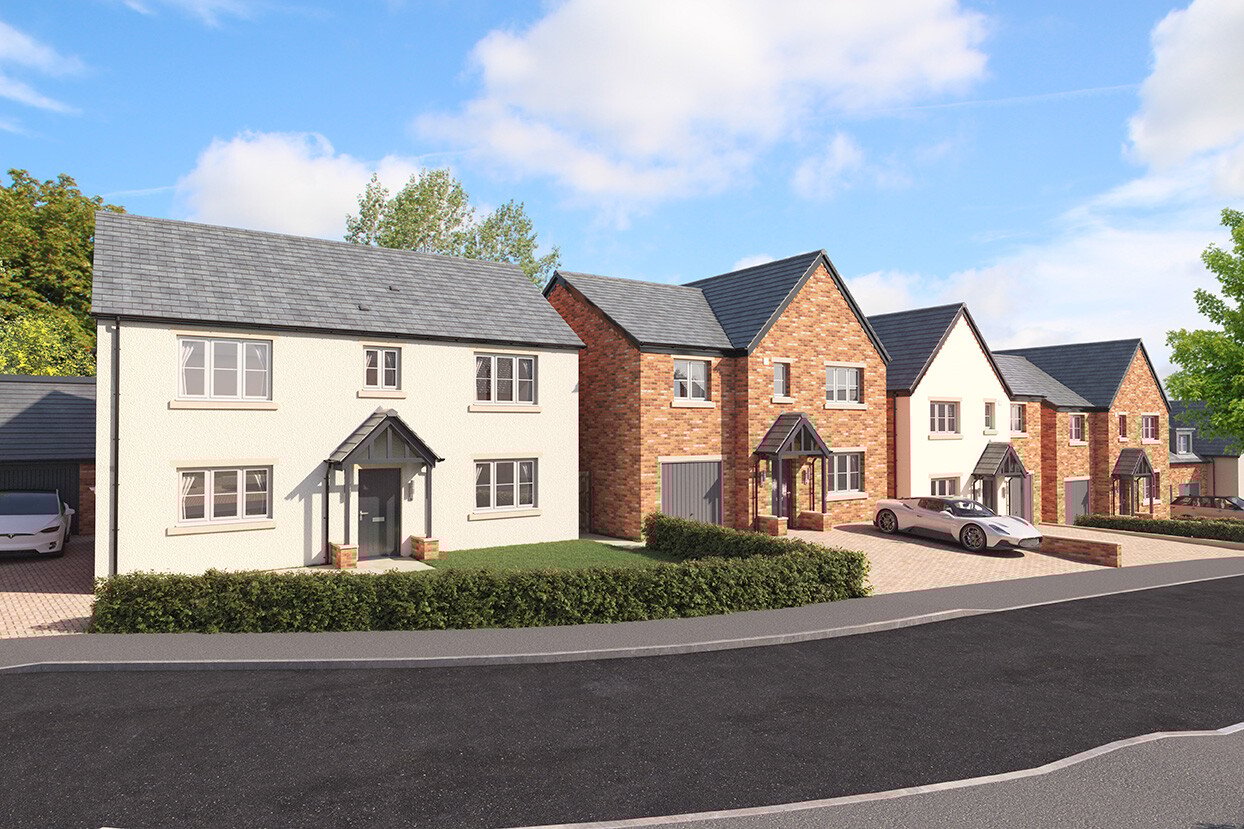 CGI Street Scene Of Beauford Park In Witton Gilbert.
A More Sustainable Way To Live
Energy-efficient homes are not only beneficial for household bills. They can also help reduce carbon emissions and support the UK’s wider move towards lower-carbon living.
The latest Watt a Save report found that an average A or B-rated home emits around 2,179kg of CO₂ per year, compared with 3,266kg for a D-rated home and 3,787kg for an F or G-rated home.
Features such as solar panels, air source heat pumps and high-performance insulation can all help reduce the environmental impact of a home. They also make day-to-day living feel easier, with homes that are designed to stay warmer, use less energy and support modern lifestyles.
At Homes by Carlton, energy-efficiency is part of creating homes that are beautiful, practical and built for the future. Across our developments, features such as solar panels, EV chargers and air source heat pumps help homeowners enjoy the benefits of modern living while keeping running costs in mind.
Why New-Build Homes Can Help Reduce Energy Bills
The main reason new-build homes are often cheaper to run is simple: they are designed to waste less energy.
In an older property, heat can escape through walls, windows, doors and roofs. Heating systems may also have to work harder to keep rooms warm. In a new-build home, insulation, glazing, ventilation and heating systems are all designed to work together more efficiently.
This can help homeowners use less energy while still enjoying a warm, comfortable home. It also means fewer immediate upgrades, fewer unexpected maintenance issues and more confidence when planning for the future.
Final Thoughts
Energy-efficiency is now one of the most important things to consider when buying a home. A property that is cheaper to run, warmer to live in and better prepared for the future can offer real peace of mind.
From higher EPC ratings and lower energy use to modern features such as solar panels, EV chargers and air source heat pumps, new-build homes offer a practical way to reduce running costs without compromising on comfort or style.
At Homes by Carlton, we build thoughtfully designed, energy-efficient new-build homes in beautiful North East locations close to Durham, Darlington and beyond.
Discover our latest developments or get in touch with our team on 0333 034 1355 to find your dream new home.

Are New-Build Homes More Energy-Efficient Than Older Properties?
In most cases, yes. New-build homes are constructed to modern building standards, with better insulation, efficient heating systems and improved glazing. This means they usually require less energy to heat and power than older homes.
What EPC Rating Do Most New-Build Homes Achieve?
Many new-build homes achieve an EPC rating of A or B. The latest HBF and Octopus Energy Watt a Save report found that 87% of new-build properties were rated A or B, compared with only 5% of existing homes.
Do Energy-Efficient Homes Cost Less To Run?
Energy-efficient homes are designed to use less energy, which can help reduce running costs. The Watt a Save report found that an average A or B-rated home costs around £1,574 a year to run, compared with £1,995 for a D-rated home and £2,192 for an F or G-rated home.
Why Are New-Build Homes More Sustainable?
New-build homes often include modern insulation, efficient heating, better glazing and renewable technologies such as solar panels. Some homes may also include air source heat pumps and EV charging points, supporting a lower-carbon lifestyle.
Are New-Build Homes Cheaper To Maintain?
New-build homes often require less maintenance than older properties because major elements such as the roof, windows, doors, heating system and appliances are brand new. This can help reduce the need for repairs or upgrades in the early years of ownership.