
Buying a home is a major decision at any time, but a changing mortgage market can make the question feel particularly difficult.
Headlines about interest rates, house prices and affordability can create the impression that every buyer faces the same circumstances. In reality, the picture is much more nuanced. Your deposit, income, location, chosen property and intended length of ownership can all matter more than a national headline.
The region in which you are buying also makes a considerable difference. As a North East-based regional housebuilder, we see first-hand the combination of value, space and quality of life that continues to attract people to this part of the country.
While mortgage rates are higher than the exceptionally low levels seen several years ago, lenders remain active, homes continue to be bought and the North East housing market has shown resilience. Buyers here may also find that their budget gives them access to significantly more space than it would in many southern regions.
So, is now a good time to buy a house?
There is no universal answer, but there can still be good reasons to move if your finances are comfortable, you have found the right home and you are planning for the longer term.
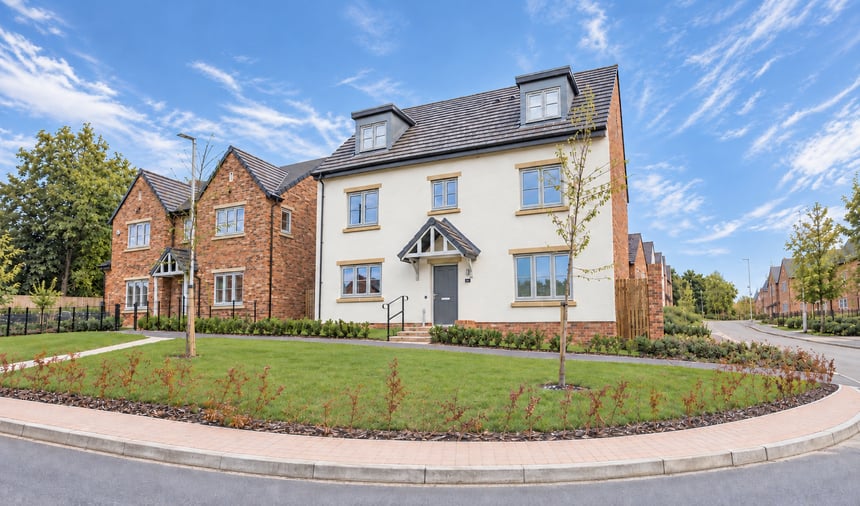 Homes by Carlton's 29-Home Beauford Park Development at Witton Gilbert Near Durham.
What Is Happening With UK Mortgage Rates?
Mortgage rates have increased from the historic lows available earlier in the decade.
In November 2026, the Bank of England raised Bank Rate from 3.75% to 4%. Inflation also remains above the Bank’s long-term target, with the Consumer Prices Index measuring 3.6% in the 12 months to October 2026.
Bank Rate influences borrowing costs, but it does not move in perfect step with the fixed mortgage rates offered to buyers.
Fixed-rate mortgages are also affected by lenders’ funding costs, financial market expectations, competition between banks and building societies, and the perceived level of risk attached to a particular loan.
According to Moneyfacts data published on 19 November 2026, the average two-year residential fixed mortgage rate was 5.94%, while the average five-year fixed rate was 5.96%. Some lower rates were available to eligible borrowers, particularly those with larger deposits, although arrangement fees and lending conditions varied.
This is why it is important to look beyond a single advertised percentage. The most suitable mortgage will depend on the deposit available, the amount borrowed, the product fee, the length of the fixed period and your personal circumstances.
Are Mortgage Rates High At The Minute?
Mortgage rates are higher than many buyers became accustomed to during the 2010s and early 2020s. However, those very low rates were unusual when viewed over a longer period.
The important question is not simply whether today’s mortgage rate appears high compared with the past. It is whether the repayments are affordable within your current budget and would remain manageable if other household costs increased.
For some buyers, a fixed-rate mortgage can provide reassurance because the monthly repayment is known for an agreed period. Other buyers may consider a tracker or variable-rate product, depending on their attitude to risk and expectations for interest rates.
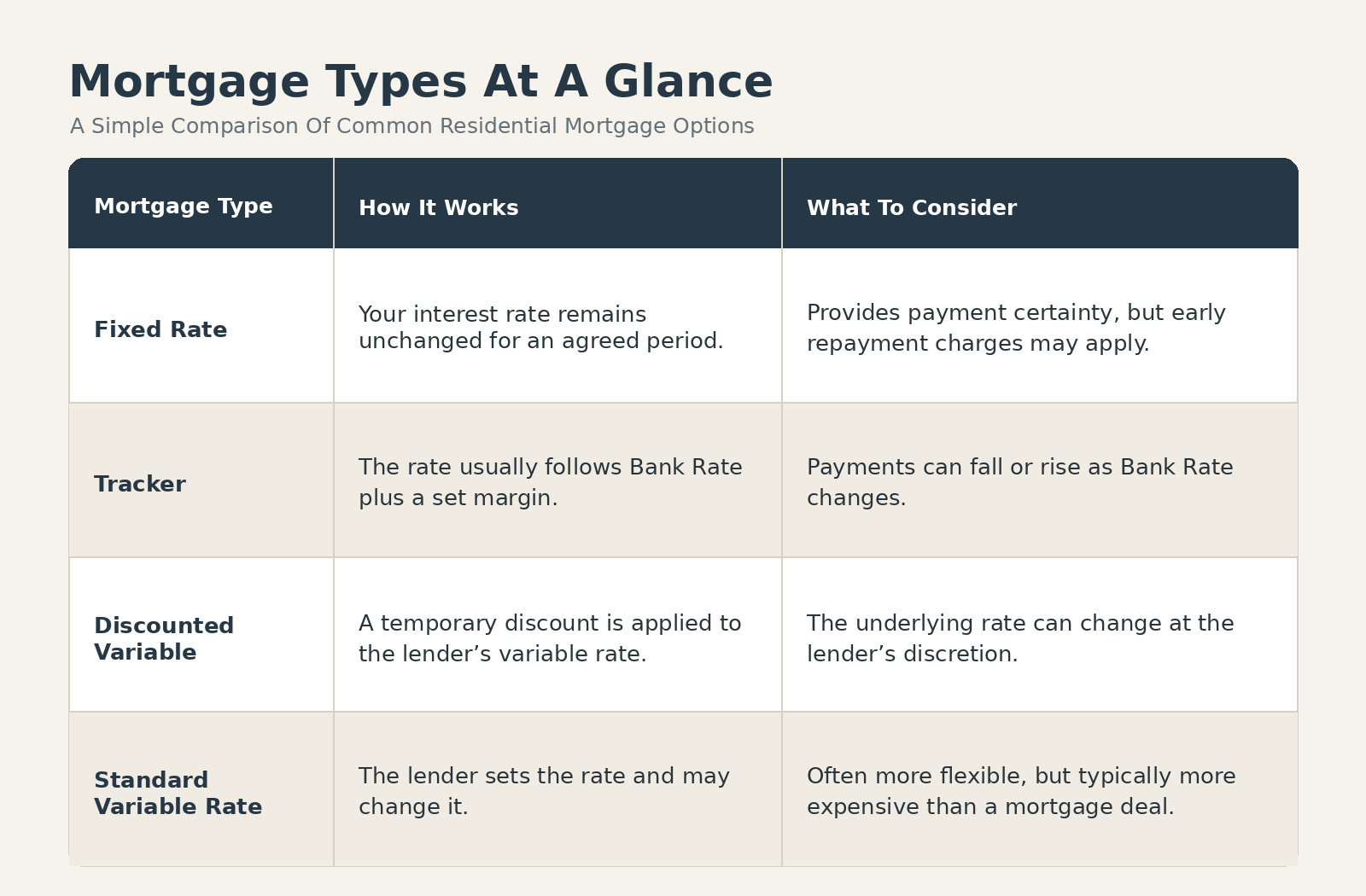
A qualified mortgage adviser can compare products across lenders and explain how different rates, fees and deposit sizes would affect your monthly repayments.
What Is Happening To UK House Prices?
The national housing market has been relatively subdued, but prices are not moving in the same direction everywhere.
The latest UK House Price Index recorded an average UK house price of approximately £273,000 in September 2026, 1.2% higher than a year earlier. The average price in England was approximately £293,000, representing annual growth of 0.8%.
The North East recorded the strongest annual house-price growth of any English region, with average prices increasing by 4.6% over the year. The average regional price was approximately £167,000.
This does not mean every North East property increased by the same amount. Prices vary considerably between towns, villages, property types and individual developments.
However, the figures demonstrate why national market headlines do not always reflect what is happening locally. The North East remains comparatively accessible while continuing to attract demand from buyers who value its homes, communities and connections.
 Bedroom Inside Homes by Carlton's Winchester Showhome at the Beauford Park Development in Witton Gilbert.
Does Your Money Go Further In The North East?
One of the strongest reasons to feel positive about buying a home in the North East is the value the region can offer.
In September 2026, the average North East home cost approximately £167,000. By comparison, the average was around £379,000 in the South East and £546,000 in London.
That means the average South East property cost more than twice the North East average, while the average London property cost more than three times as much.
The difference was also substantial for first-time buyers. The average price paid by a first-time buyer in the North East was approximately £146,000, compared with around £466,000 in London.
Regional averages cannot tell you what every individual home will cost, and they do not compare identical properties. Nevertheless, they illustrate the scale of the geographical difference.
A budget that may purchase a flat or a more compact property in parts of southern England could potentially provide access to a larger family home in the North East. Depending on the location and development, buyers may be able to prioritise additional bedrooms, private gardens, off-street parking, a garage or flexible space for home working.
This value can be especially meaningful for growing families. An additional bedroom could become a nursery, a study or a guest room. A larger kitchen and family area can make daily routines more comfortable, while a garden gives children, pets and keen gardeners space to enjoy.
Buying in the North East is therefore not only about paying less. It can be about gaining more of the features that make a home work for the way you want to live.
More Than Affordability: The North East Lifestyle
The financial comparison is important, but value for money is only one part of the region’s appeal.
The North East offers vibrant cities, characterful market towns, established villages, striking countryside and a beautiful coastline. Residents can enjoy access to major employment centres while still living within easy reach of walking routes, historic attractions and open landscapes.
Homes by Carlton's developments reflect this variety.
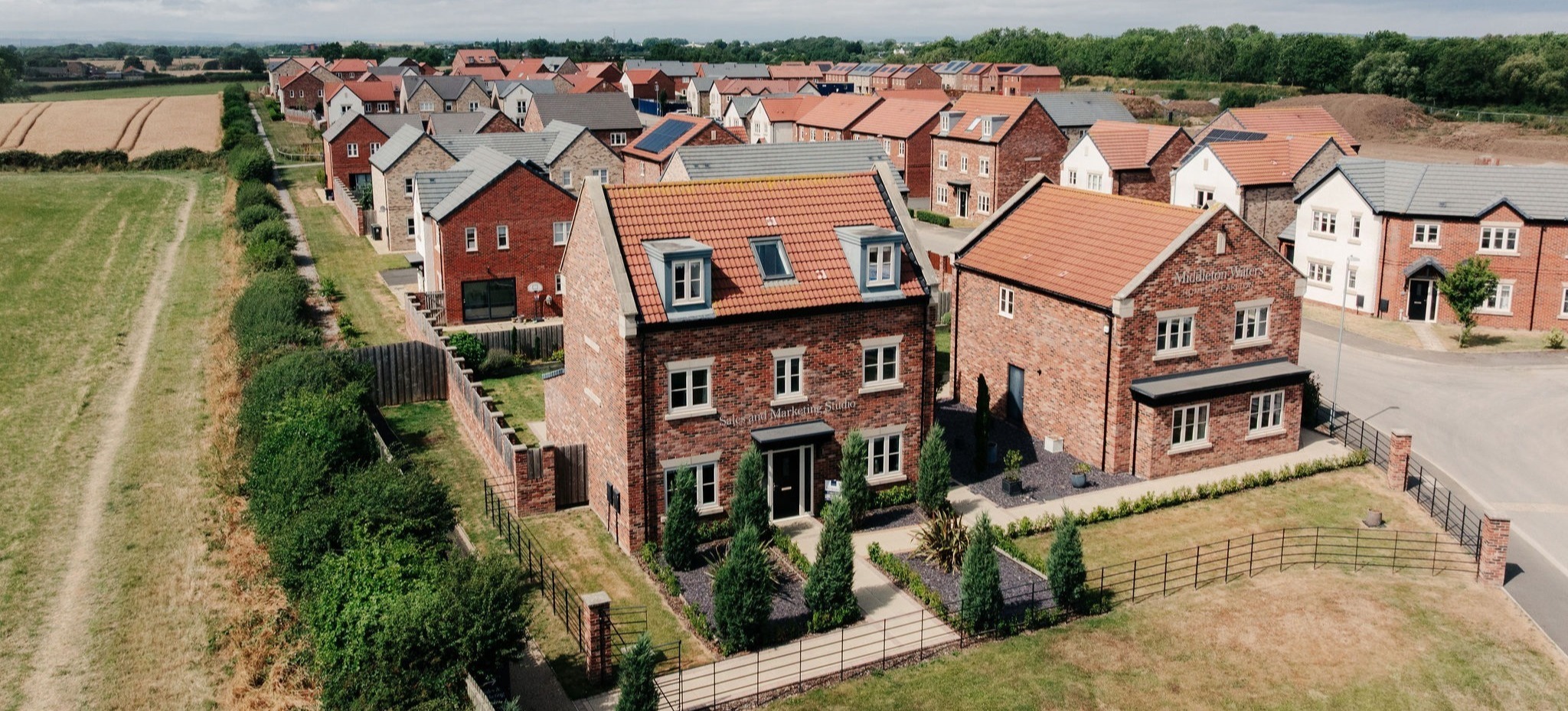
At Middleton Waters, buyers can enjoy village life in Middleton St George while remaining well connected to Darlington and the wider Tees Valley. Woodberry Park is situated in the historic village of Staindrop, close to Raby Castle and within reach of Barnard Castle, Bishop Auckland and Darlington.
Beauford Park in Witton Gilbert offers countryside surroundings approximately four miles from Durham City, while Saxon Vale combines a village setting in Sadberge with convenient access to Darlington and regional road connections.
For professionals, the region provides links to employment across County Durham, Darlington, Teesside, Newcastle, Gateshead and Sunderland. Rail connections from Durham and Darlington also make longer-distance business travel possible, particularly for people following a hybrid working pattern.
For families, village communities, outside space, schools, leisure facilities and varied days out can all form part of the attraction.
The result is an appealing balance: space and countryside close to home, combined with access to the workplaces, shops, restaurants, culture and transport links of the wider region.
 Durham City Market Place, Four Miles From Homes by Carlton's Beauford Park Development in Witton Gilbert.
Is It Better To Buy Than To Continue Renting?
Buying and renting both have advantages, and the right option depends on your circumstances.
Renting can provide flexibility and may suit someone who expects to relocate soon. Buying offers the opportunity to create a permanent home, make changes to the property and gradually build equity as the mortgage is repaid.
Rental costs are also relevant. According to the Office for National Statistics, the average UK private rent reached £1,411 per month in October 2026, an annual increase of 3.8%.
The North East continued to have the lowest average private rent of any English region at £793 per month. That compared with an English average of £1,472 and a London average of £2,350.
Although North East rents remain comparatively affordable, regular rent payments do not build ownership in a property. Buyers who are financially ready may therefore prefer to direct their monthly housing budget towards a home of their own.
A fair comparison should include the mortgage payment, deposit, legal costs, insurance, maintenance and any estate charges—not simply rent versus mortgage repayments.
Support For First-Time Buyers
First-time buyers may be able to use a Lifetime ISA, subject to the scheme’s rules, property-price limit and withdrawal requirements.
Eligible buyers purchasing a home in England can also claim first-time buyer Stamp Duty Land Tax relief. At the time of writing, qualifying buyers pay no Stamp Duty on the first £300,000 and 5% on the portion between £300,001 and £500,000. The relief is not available where the purchase price exceeds £500,000.
Because the average North East property price remains well below the national and southern regional averages, first-time buyers may find that a broader range of homes falls within their budget and the relevant Stamp Duty thresholds.
Tax rules and government schemes can change, so obtain current advice before relying on any saving.
The Energy-Efficiency Advantage Of A New-Build Home
Purchase price and mortgage repayments are only part of the cost of owning a home.
Energy use, repairs and renovation can make a substantial difference to monthly and annual household spending.
Government energy-performance data for 2026 recorded a median score of 84, equivalent to EPC Band B, for newly constructed homes. Existing homes in England had a median score of 68, equivalent to Band D.
During the third quarter of 2026, 92% of newly constructed domestic properties receiving an EPC achieved Band A or B.
A modern new-build home may benefit from improved insulation, efficient glazing and contemporary heating controls. Buyers may also avoid the immediate renovation work that can accompany an older home.
Depending on the development and property specification, features could include solar panels, an electric vehicle charging point or an air-source heat pump.
Specifications vary between homes, so always ask what is included with your chosen plot. However, considering likely energy use and maintenance alongside the mortgage payment will give you a more complete picture of affordability.
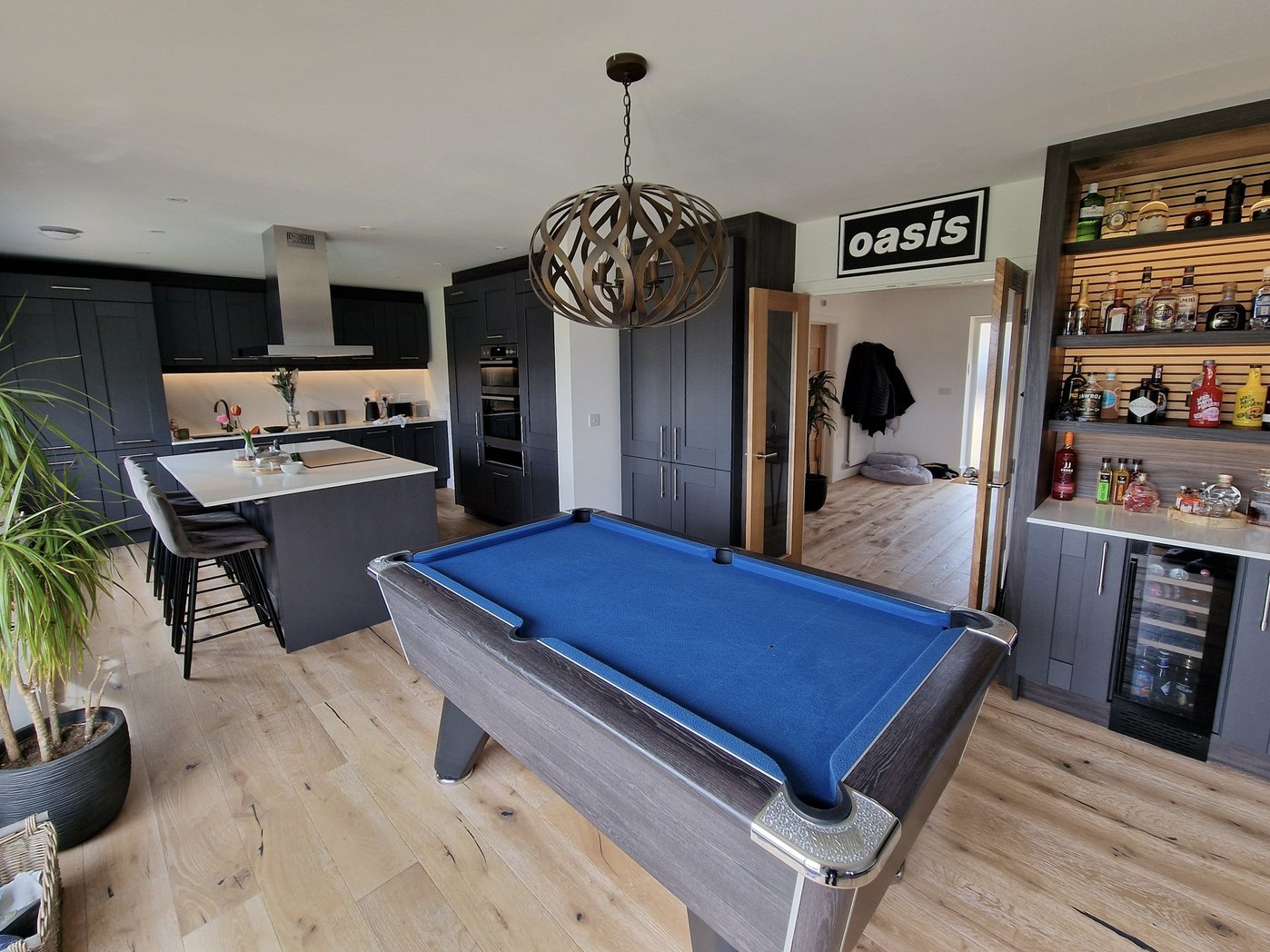
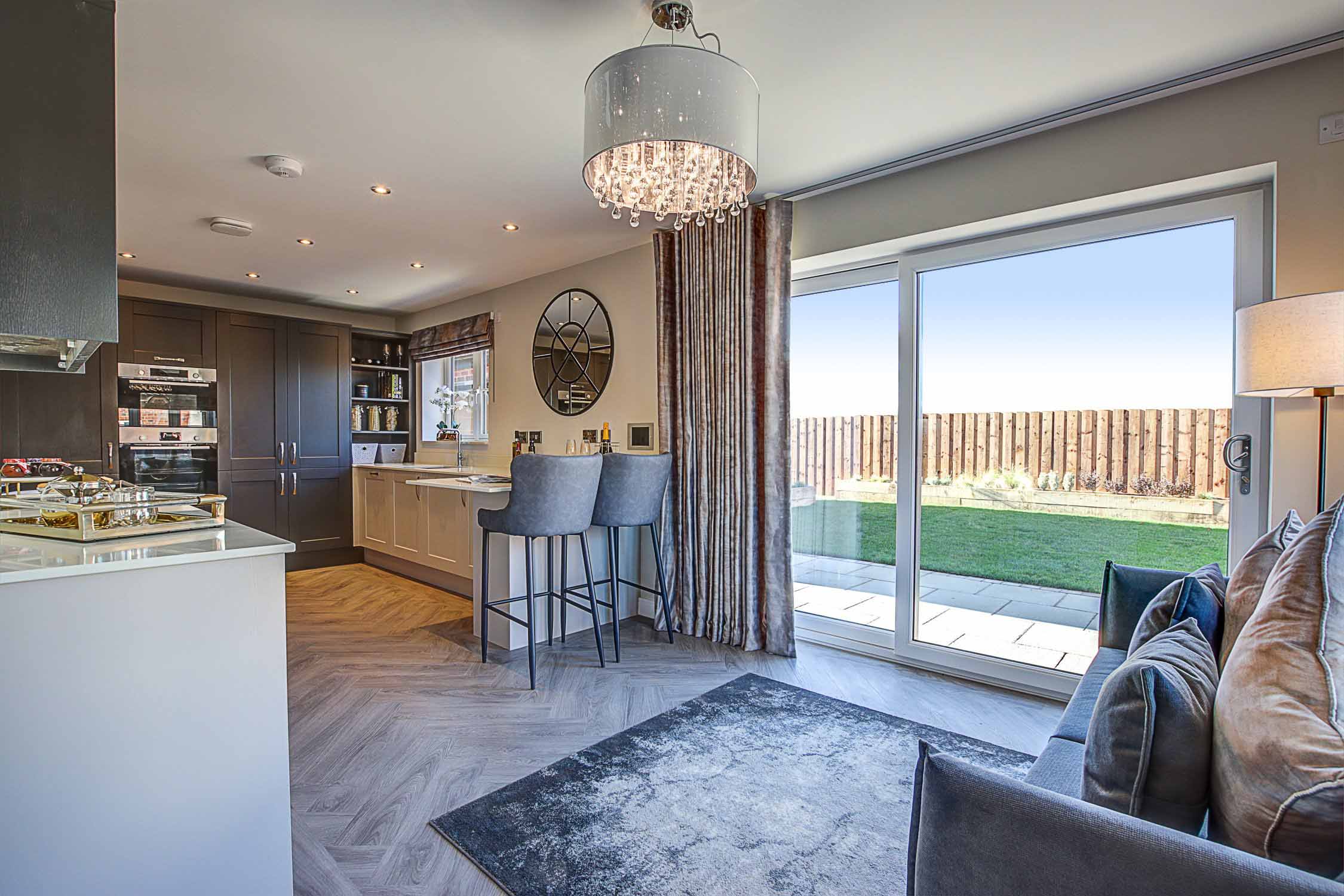 Kitchen/Diner Inside Homes by Carlton's Galloway Showhome at the Middleton Waters Development in Middleton St George.